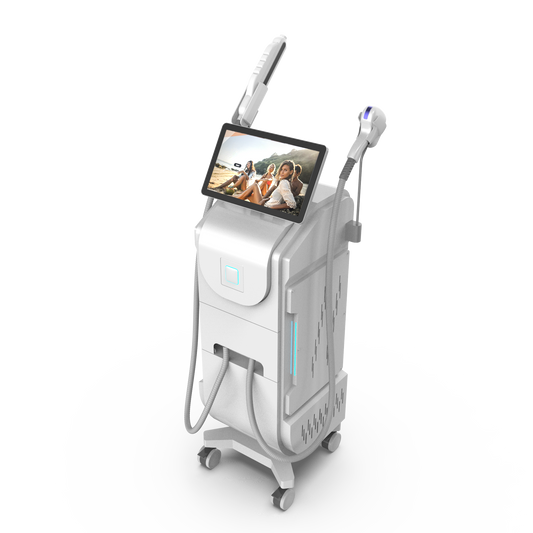
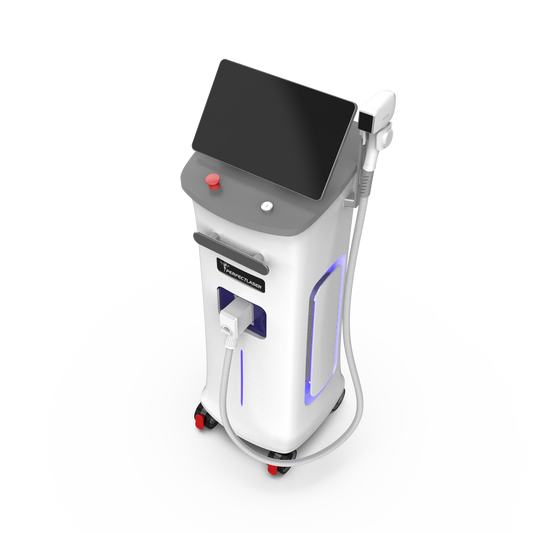
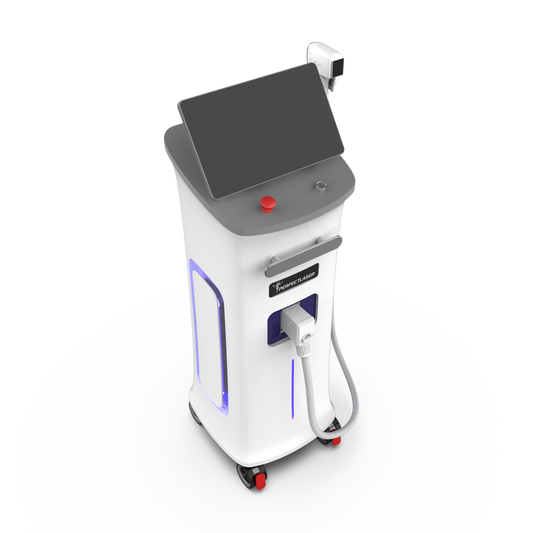
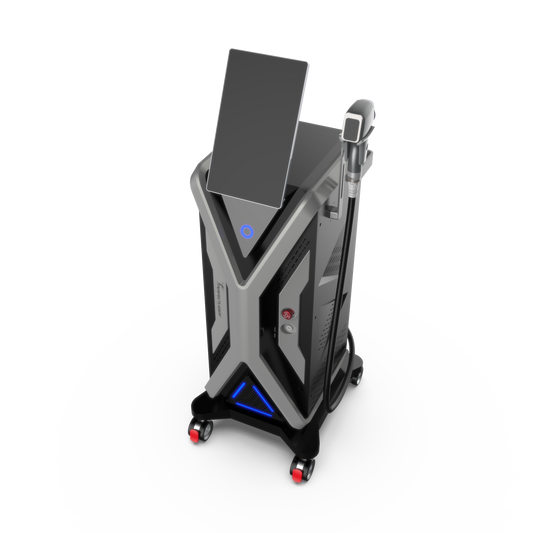
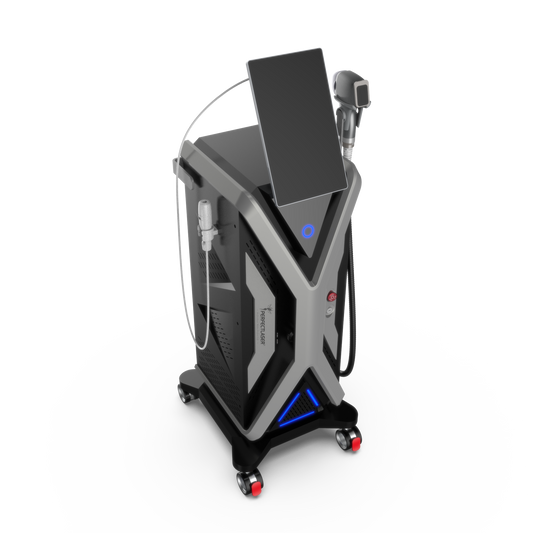
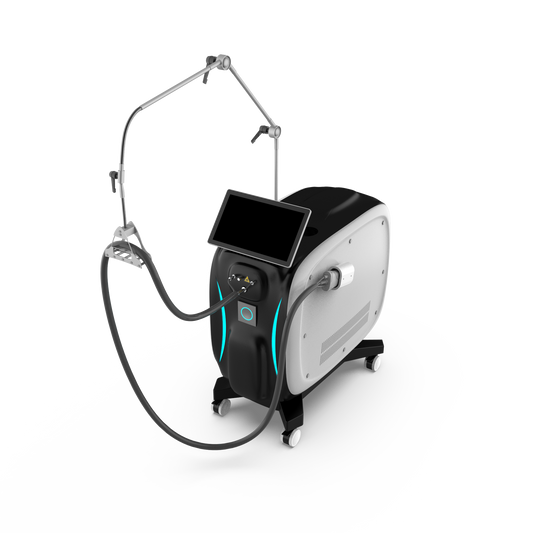
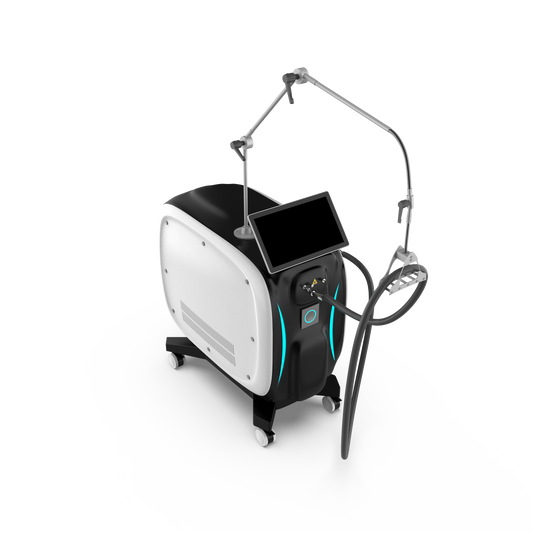

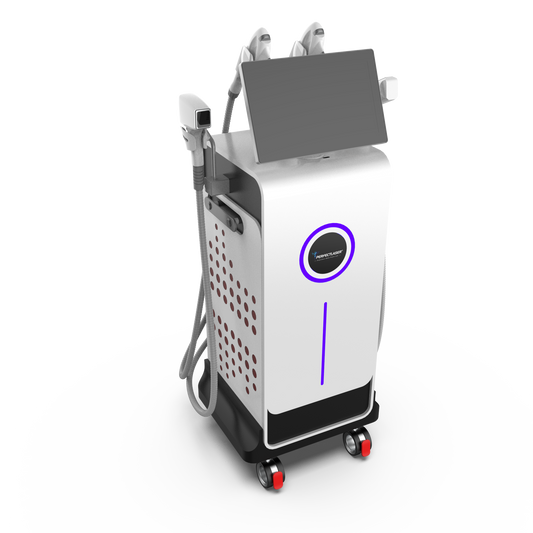

Discover the Power of CO2 Fractional Laser Technology
In the ever-evolving world of aesthetic medicine and dermatology, few technologies have made as transformative an impact as the CO2 fractional laser. Often described by experts as a "precision repair artist" for the skin, this advanced treatment has become a gold standard for those seeking to rejuvenate their complexion, smooth out scars, and reverse the visible signs of aging. But what exactly is this technology, and how does it work its magic?
The Science Behind the Beam
At its core, the CO2 fractional laser operates on a brilliant yet simple principle. The laser emits a specific wavelength (10,600 nm) that is highly attracted to water. Since human skin tissue contains over 70% water, the laser energy is instantly absorbed by the skin's water molecules and converted into heat.
Unlike older, fully ablative lasers that treated the entire surface of the skin at once—leading to significant downtime and higher risks—the "fractional" approach is revolutionary. It breaks the laser beam into thousands of microscopic columns. These tiny beams create controlled micro-injuries, known as Microthermal Treatment Zones (MTZs), deep within the skin. Crucially, the tissue between these microscopic columns remains untouched and healthy.
The "Destroy and Rebuild" Mechanism
This unique pattern triggers the body's natural healing response, often referred to as the "destroy and rebuild" mechanism. The heat from the laser instantly vaporizes old, damaged tissue. Simultaneously, the surrounding healthy skin acts as a reservoir for rapid healing. This process kickstarts the production of new collagen and elastin fibers, which are the building blocks of firm, youthful skin. As the skin heals, it replaces the damaged tissue with fresh, smooth, and tighter skin.
Modern advancements, such as Ultra-Pulse CO2 Fractional Lasers (UCFL), have made this process even safer. By delivering energy in incredibly short pulses (less than 1 millisecond), the laser minimizes heat damage to surrounding tissues, allowing for deeper penetration with less downtime and a lower risk of side effects like hyperpigmentation.
What Can It Treat?
The versatility of CO2 fractional laser technology is one of its greatest strengths. It is widely used to address a variety of skin concerns:
- Scar Revision: It is highly effective in treating acne scars (especially rolling and boxcar scars), surgical scars, and even burn scars. The laser helps to level out depressed scars and soften raised ones by remodeling the collagen structure.
- Skin Rejuvenation: It significantly reduces fine lines, wrinkles, and overall skin laxity, giving the face a more lifted and youthful appearance.
- Texture and Tone: The treatment improves rough skin texture, shrinks enlarged pores, and can help fade pigmentation issues like sun spots and age spots.
- Stretch Marks: It can improve the appearance of stretch marks by stimulating repair in the damaged dermal tissue.
The Treatment Experience
Undergoing a CO2 fractional laser treatment is a straightforward process. A topical anesthetic is usually applied beforehand to ensure comfort. During the procedure, which typically lasts 30 to 60 minutes depending on the area, you might feel a mild pricking or warm sensation.
Post-treatment, the skin will likely appear red and swollen, similar to a moderate sunburn, and microscopic scabs may form. These are normal signs that the healing process has begun. With proper aftercare—such as keeping the skin moisturized and strictly avoiding sun exposure—recovery is relatively quick, and the results become increasingly visible over the following weeks as new collagen forms.
Conclusion
CO2 fractional laser technology represents a perfect marriage of science and aesthetics. By harnessing the body's own ability to heal and regenerate, it offers a powerful solution for anyone looking to hit the "reset" button on their skin. If you are considering this treatment, always consult with a board-certified dermatologist or a qualified medical professional to create a personalized plan that suits your unique skin needs.
Tags: